
By the early 2000s, NHL team salaries had climbed sharply, and a growing gap opened up between big-market teams that could spend freely and smaller-market teams that couldn't keep pace. The league's owners wanted a hard salary cap tied to overall league revenue; the players' union, which had never operated under one, was strongly opposed. Neither side moved, and when the collective bargaining agreement expired in September 2004, the NHL locked out its players.
The lockout dragged on for the entire season. No compromise emerged, and on February 16, 2005, the NHL became the first major North American professional sports league to cancel an entire season over a labor dispute. The Stanley Cup went unawarded for only the second time in its history — the first being 1919, when the Final was called off due to the influenza pandemic.
When the two sides finally reached an agreement that summer, the new deal gave the owners what they'd been asking for: a hard salary cap, directly tied to league revenue, which is still the system the NHL operates under today.
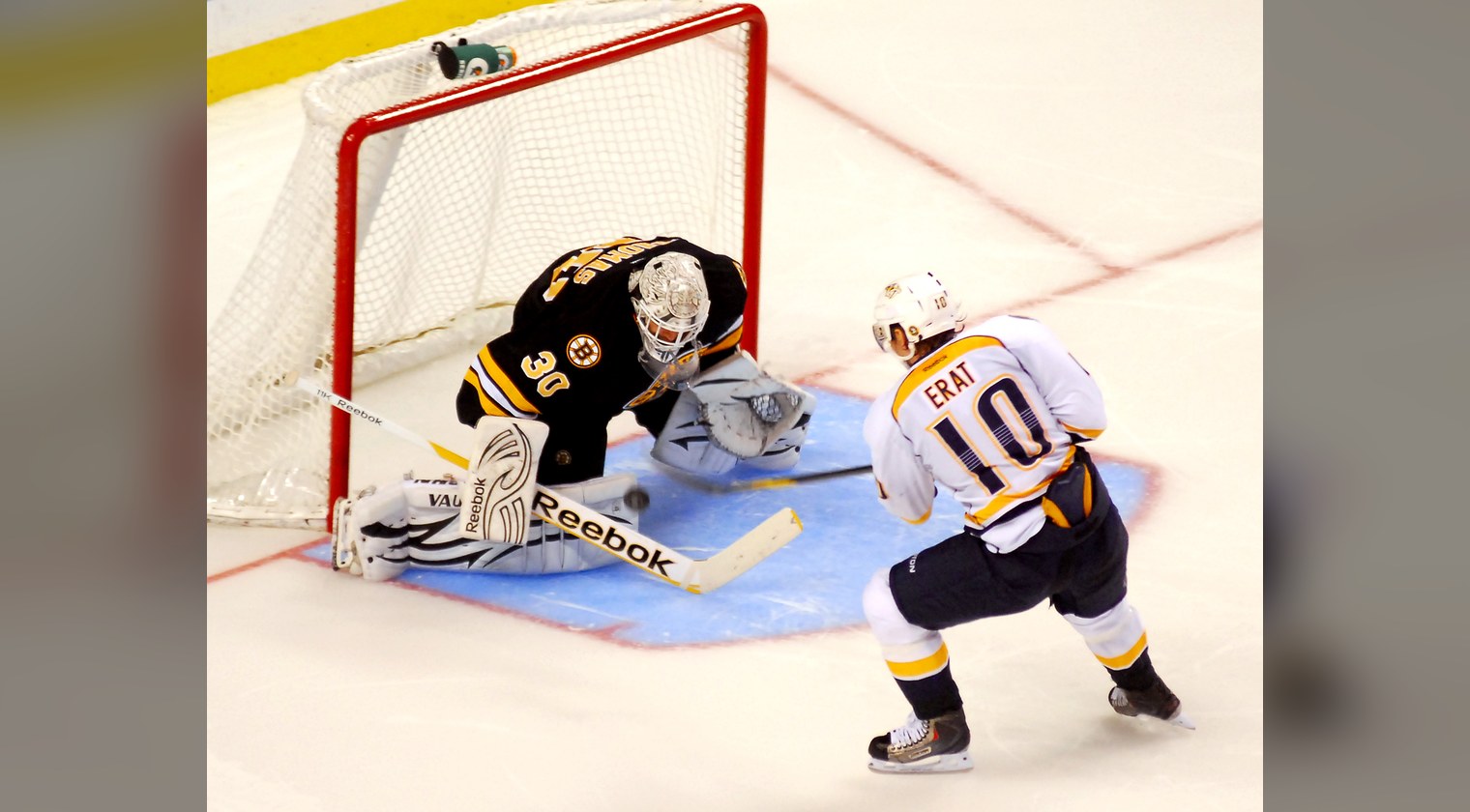
The lockout also became an opportunity to address complaints about the on-ice product. Scoring had been declining for years, and the league used the return from the lost season to introduce a wave of rule changes aimed at opening the game back up: the shootout to eliminate tie games, the removal of the two-line pass restriction to allow longer stretch passes, and stricter enforcement of obstruction penalties like hooking and holding that had been slowing the game down.
The lost season was a painful, disruptive chapter for the league and its fans. But the salary cap system and the faster, more wide-open style of play that followed are both still defining features of the NHL today — direct results of a dispute that, at the time, cost the sport an entire year.