
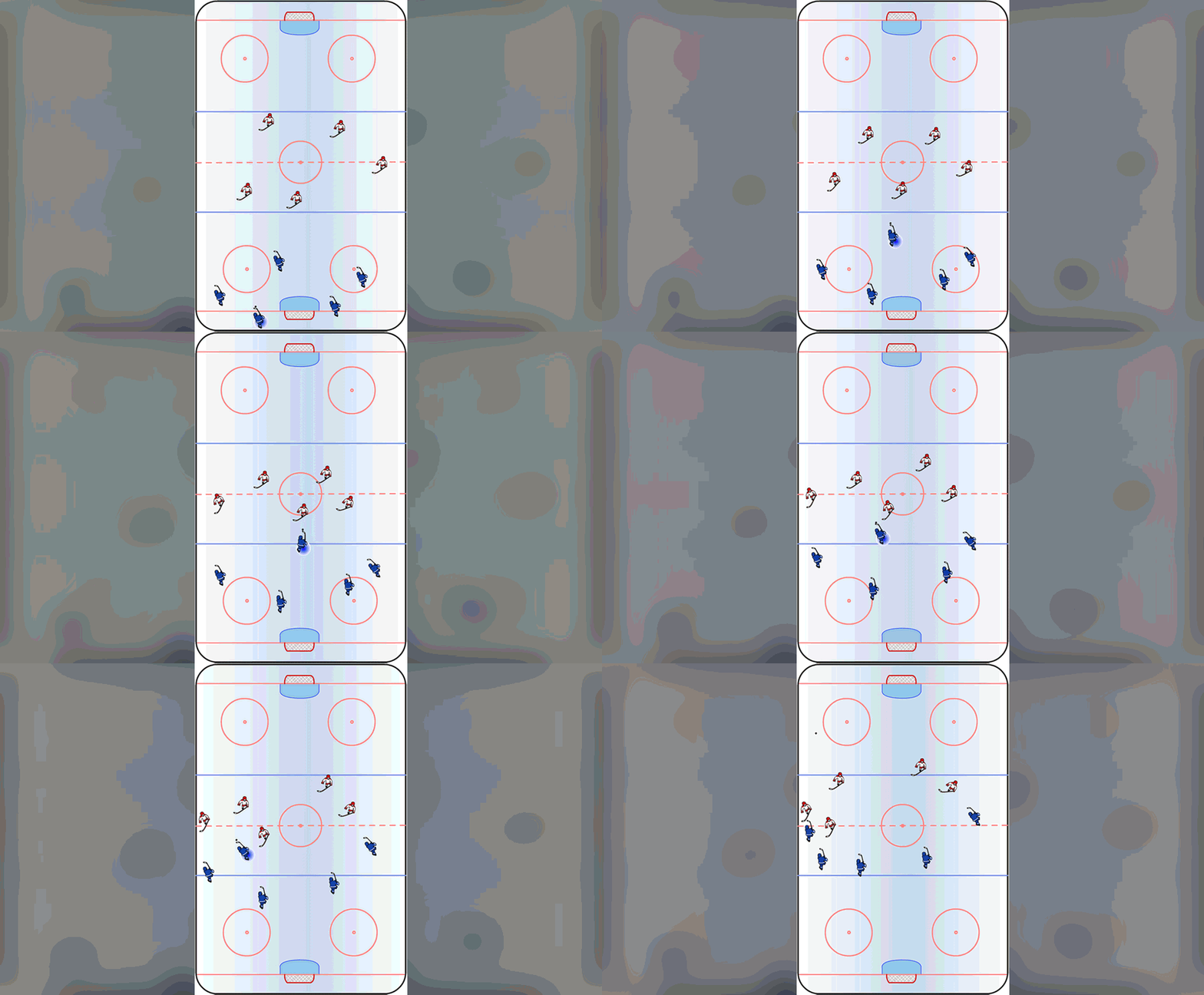
The neutral zone trap is a defensive scheme built around clogging the area between the two blue lines with four or five players, rather than pressuring the puck carrier directly. Instead of forcing turnovers through aggressive forechecking, a trapping team clogs passing lanes and forces the opposition into risky, low-percentage plays — usually a dump-and-chase or a turnover in the crowded neutral zone.
The system is most closely associated with the New Jersey Devils of the early-to-mid 1990s under head coach Jacques Lemaire. The Devils won the Stanley Cup in 1995 with a roster built around suffocating, trap-heavy defense rather than star scoring power, proving that a team without elite offensive talent could still win it all by taking the game away from its opponent.
Other struggling teams took notice. By the early 2000s, the trap had spread across large parts of the league, since it required less individual skill to execute than an aggressive forechecking system. The tradeoff was entertainment value: scoring dropped to some of its lowest levels in decades, and games increasingly became low-event, low-excitement stalemates. Fans and media openly criticized the trap for making hockey difficult to watch.
The backlash directly shaped the rule changes that followed the 2004-05 lockout. When the NHL returned for the 2005-06 season, it eliminated the two-line pass restriction, allowing longer stretch passes that could beat a trap in one move, and cracked down hard on obstruction penalties like hooking and holding that trap-heavy defenses had relied on to slow attackers down.
The trap never fully disappeared, but its extreme form is largely gone from the modern NHL. Faster, more skilled players and a rulebook built to punish obstruction have made the wide-open trap a much harder system to hide behind today than it was in its 1990s heyday.