
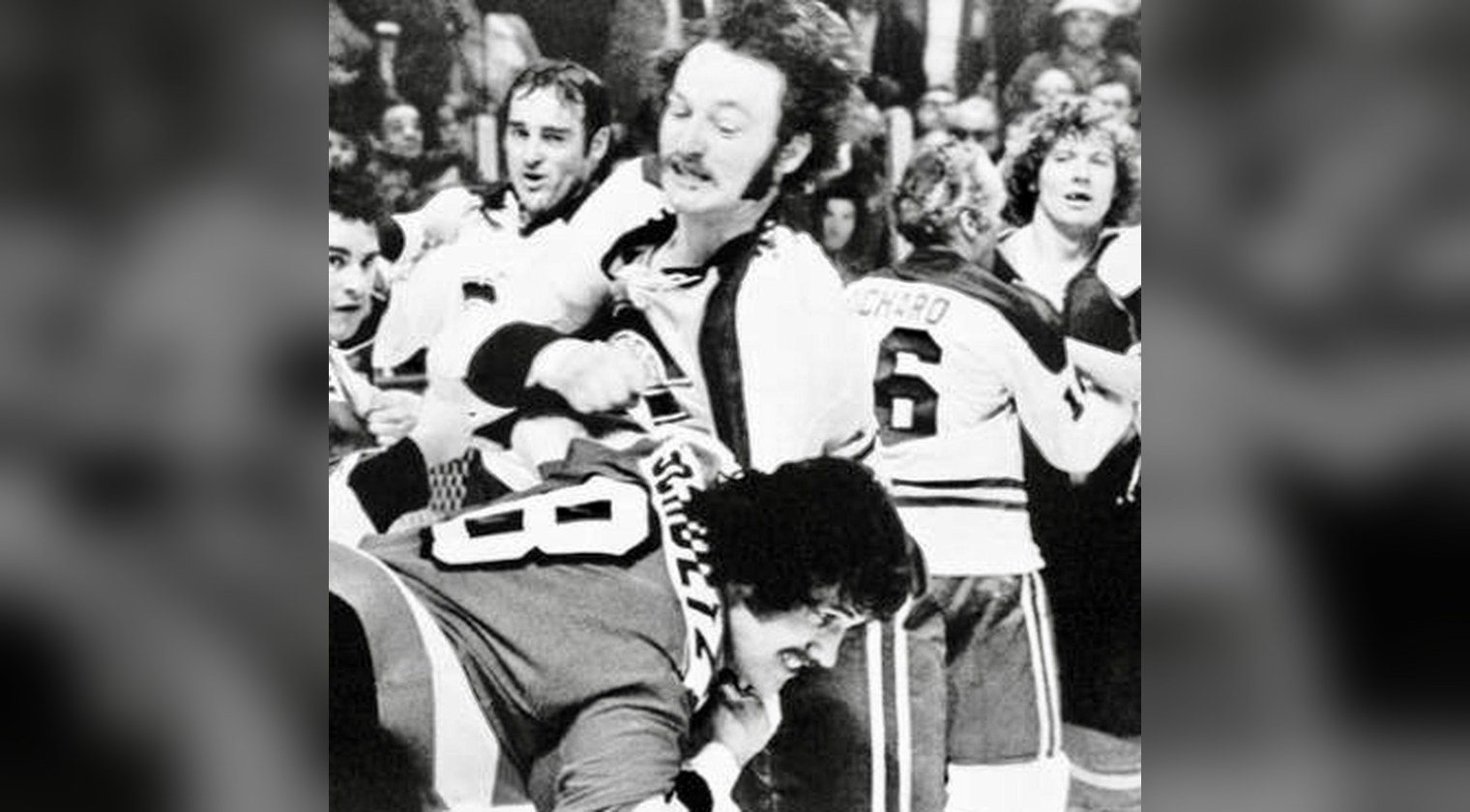
An enforcer was a player, often with limited scoring ability, kept on an NHL roster specifically for physical intimidation and fighting — tasked with protecting skilled teammates and answering for opponents' physical liberties. It was a direct extension of hockey's unwritten code: if a team's star player got targeted, someone on the bench was expected to respond.
Through the 1970s, 80s, and 90s, most NHL teams carried at least one player whose primary job was physical deterrence rather than offense. Fighting itself was a fairly routine, even expected, part of the game during this era, and a small number of players built entire careers around that single role.
The decline started well before public concern about brain injuries caught up with it. The instigator penalty, introduced in the early 1990s, specifically punished players who started fights, quietly discouraging teams from carrying a player whose only value was throwing the first punch. Growing medical understanding of concussions and long-term brain injury (CTE) through the 2000s and 2010s accelerated the shift dramatically, as the league, medical community, and public all grew far less tolerant of fighting treated as routine entertainment.
Pure enforcers — players who couldn't otherwise hold an NHL roster spot on skill alone — have largely disappeared from the game today. Fighting still happens, but it comes far less often, and increasingly from regular players reacting in the heat of a moment rather than a designated specialist doing a job.
It's one of the clearest examples of how much the modern NHL has changed its own values — a role that was once considered essential to a team's identity has all but vanished from the league in barely two decades.