
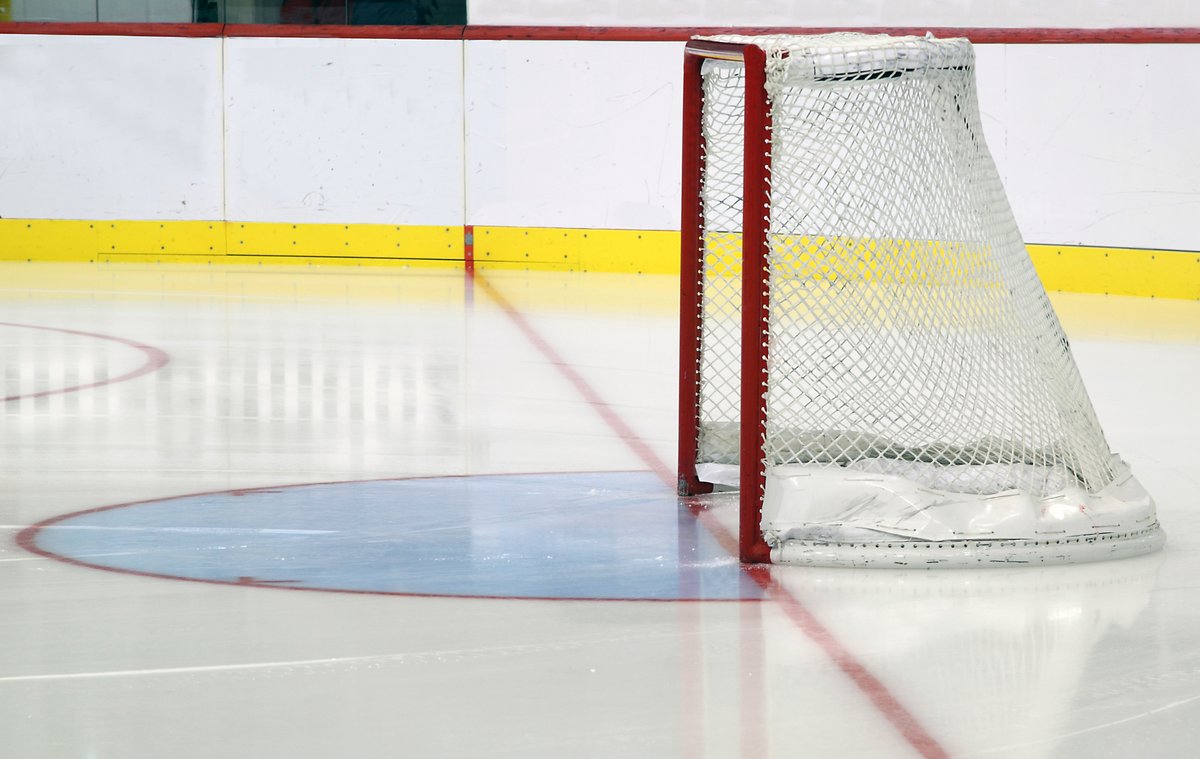
The crease is the blue semi-circular area painted directly in front of each goal, marking out the space where the goaltender is given special protection to do their job without being physically impeded by attacking players.
For much of the NHL's history, particularly through the 1990s and into the 2000s, the rules governing crease interference were notoriously strict and endlessly controversial. A goal could be waved off entirely if any part of an attacking player's skate was touching the blue paint at the moment the puck crossed the line — regardless of whether the goaltender was actually affected by the player's presence at all. The letter of the rule mattered more than its actual spirit.
That rigid standard produced some of the most disputed goals in league history. The most famous example remains Brett Hull's championship-winning goal for the Dallas Stars in triple overtime of the 1999 Stanley Cup Final — Hull's skate was in the crease when he scored, and Buffalo Sabres fans have argued about the no-call ever since.
The NHL eventually moved away from the rigid "foot in the paint" standard toward a simpler test: was the goaltender actually interfered with in a meaningful way? Incidental, harmless contact no longer wipes out an otherwise legitimate goal, bringing the rule much closer to protecting goaltenders from real interference rather than punishing technical positioning that had no actual impact on the play.
It's a small piece of painted ice, but few areas of the rink have generated more genuine argument — or more replay review — than the crease.